
On the Weekly Torah Portion of Pikudei
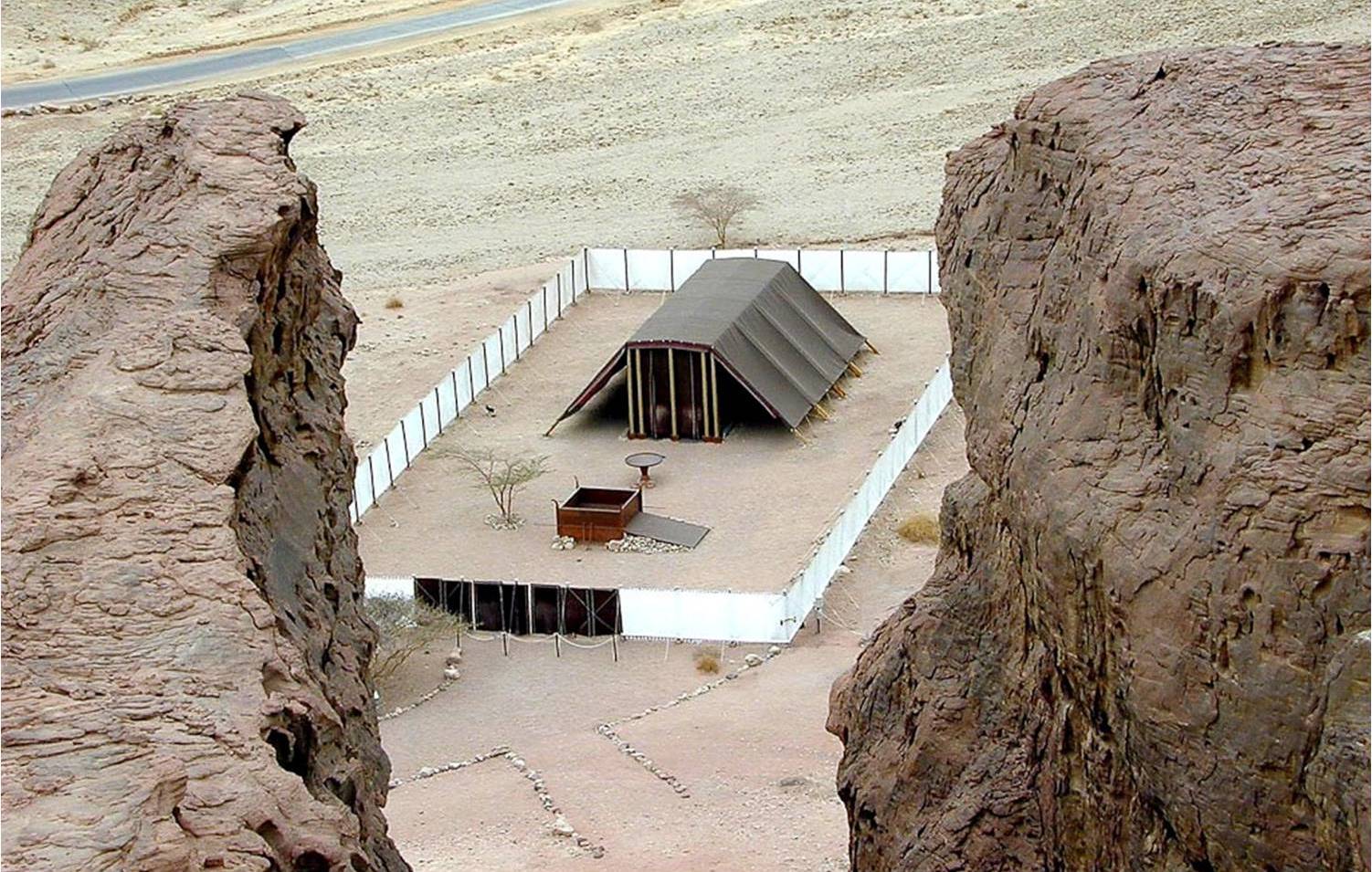 In this week’s Torah portion, pikudey (Exodus 38:21 – 40:38), the construction of the mishkan, the tabernacle, comes to completion.
Towards the end of this portion, after describing the completion of the work, we are told:
וַיְכַס הֶעָנָן אֶת אֹהֶל מוֹעֵד וּכְבוֹד יְהוָה מָלֵא אֶת הַמִּשְׁכָּן: וְלֹא יָכֹל מֹשֶׁה לָבוֹא אֶל אֹהֶל מוֹעֵד כִּי שָׁכַן עָלָיו הֶעָנָן וּכְבוֹד יְהוָה מָלֵא אֶת הַמִּשְׁכָּן:Then the cloud covered the tent of meeting, and the glory of Y-H-V-H filled the tabernacle. Moses was not able to enter the tent of meeting because the cloud settled upon it, and the glory of Y-H-V-H filled the tabernacle. (Exodus 40:34-35)
But in previous portions we were told that the construction of the tabernacle was not so that God could be dwell in it, but rather in them, i.e. the Israelites. How is it that here we are told that God’s presence fills the tabernacle itself? This is also peculiar given the statement of Solomon, the builder of the first temple:
On The Weekly Torah Portion of Vayakhel
 What is the origin of the miraculous phenomenon of human creativity? How is it that we are the only creatures on the planet capable of performing such enormous creative (the destructive) acts, of the kind that were once attributed to God alone? This is one of the subjects that this week’s Torah portion, vayakhel (Exodus 35:1 – 38:20), touches upon, in the context of the construction of the mishkan, the tabernacle that has been the subject of the last few weekly portions.
As mentioned earlier, ancient lore considered the tabernacle to be a mirror of the structure of the human psyche as well as the structure of the universe. The art of creating the tabernacle, then, is a mirror of, or a commentary on, the primordial act of creation spoken of in Genesis, on one hand, and the nature of human creativity on the other.