
On the Weekly Torah Portion of Shelach
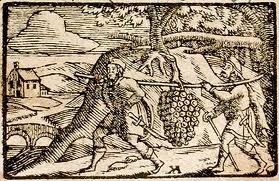
Returning with the Fruit of Canaan
This week’s Torah portion, Shelach (Numbers 13 – 15), describes yet another dramatic, pivotal moment in the sojourn of the people of Israel from Egypt to Canaan.
Soon after the people of Israel leave Sinai on their way East, Moses is instructed to send scouts to tour the land of Canaan:
שְׁלַח לְךָ אֲנָשִׁים וְיָתֻרוּ אֶת אֶרֶץ כְּנַעַן אֲשֶׁר אֲנִי נֹתֵן לִבְנֵי יִשְׂרָאֵל אִישׁ אֶחָד אִישׁ אֶחָד לְמַטֵּה אֲבֹתָיו תִּשְׁלָחוּ כֹּל נָשִׂיא בָהֶם:Send men to scout the land of Canaan, which I am giving to the Israelite people; send one man from each of their ancestral tribes, each one a chieftain among them.” (Numbers 13:2).
On the Weekly Torah Portion of Bamidbar
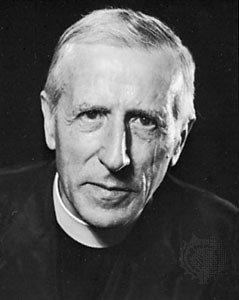
Pierre Teilhard_de_Chardin
This week’s Torah portion, bamidbar (Numbers 1:1-4:20), is the first Torah reading in a book of the same name (referred to in English as Numbers). The word bamidbar (במדבר) means “In the wilderness”.
Wilderness is the backdrop of most of the Torah. It is where all the drama of the people of Israel as a people, as opposed to a family, takes place. And it unfolds in the space of 40 years, after which, supposedly, our forefathers crossed the Jordan river and entered the Promised Land.
On the Weekly Torah Portion of Bechukotay
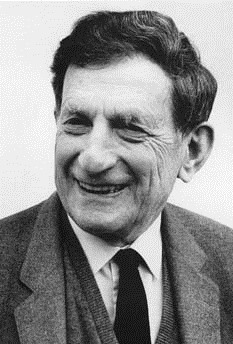
David Bohm
The opening verses of the Torah portion of bechukotai, (Leviticus 26:3 – 27:34) reminded me of the ideas of American physicist David Bohm (1917-1992). An innovative thinker, Bohm did not limit himself to physics and went further than many in trying to grapple with the implications of quantum physics on our understanding of mind and brain. He also engaged in famous conversations with J.D. Krishnamurti, one of the most significant spiritual teachers of the 20th century, and developed a system of “dialogue,” a way for people to conduct a conversation which takes the insights he has gained into the nature of mind and consciousness into account. (more…)
On the Weekly Torah Portion of Behar
 This week’s Torah portion, behar (Leviticus 25:1-55, 26:1), discusses many items of social justice, including the issue of slavery. Slaves were an integral part of the economy in those days. While the Torah does not abolish slavery, it seeks to secure the right of slaves by law (Israelite slaves, that is; slaves of non-Israelite descent receive a much harsher treatment, unfortunately):
וְכִי יָמוּךְ אָחִיךָ עִמָּךְ וְנִמְכַּר לָךְ לֹא תַעֲבֹד בּוֹ עֲבֹדַת עָבֶד: כְּתוֹשָׁב יִהְיֶה עִמָּךְ עַד שְׁנַת הַיֹּבֵל יַעֲבֹד עִמָּךְ: וְיָצָא מֵעִמָּךְ הוּא וּבָנָיו עִמּוֹ וְשָׁב אֶל מִשְׁפַּחְתּוֹ וְאֶל אֲחֻזַּת אֲבֹתָיו יָשׁוּב: כִּי עֲבָדַי הֵם אֲשֶׁר הוֹצֵאתִי אֹתָם מֵאֶרֶץ מִצְרָיִם לֹא יִמָּכְרוּ מִמְכֶּרֶת עָבֶד:… כִּי לִי בְנֵי יִשְׂרָאֵל עֲבָדִים עֲבָדַי הֵם אֲשֶׁר הוֹצֵאתִי אוֹתָם מֵאֶרֶץ מִצְרָיִם אֲנִי יְהוָה אֱלֹהֵיכֶם:If your kinsman under you continues in straits and must give himself over to you, to not subject him to the treatment of a slave. He shall remain with you as a hired or bound laborer; he shall serve with you only until the Jubilee year. Then he and his children with him shall be free of your authority; he shall go back to his family and return to his ancestral holding. For they are my slaves, whom I freed from the land of Egypt, and may not give themselves over into slavery…. For it is to me that the Israelites are slaves: they are my slaves, whom I freed from the land of Egypt, I Y-H-V-H your God. (Leviticus 25:39-42, 55)
Only God I Saw
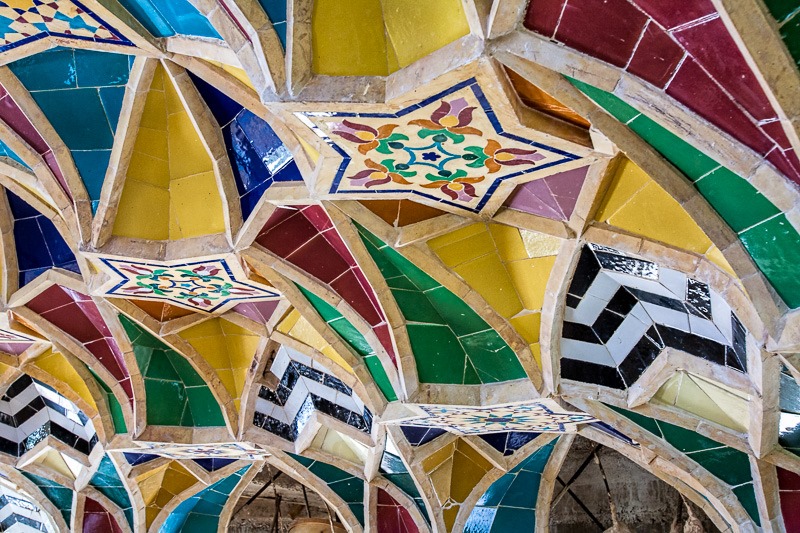
Interior of Tomb of Baba Kuhi in Shiraz, Iran
I am leaving for a one-week silent meditation retreat, so instead of a specific d’var on this week’s Torah portion, I’d like to offer a short reflection on the known Hassidic saying in Yiddish, alz is gat (אַלץ איז גאָט), “everything is God.” The commentary is in the form of a Sufi poem by Baba Kuhi of Shiraz, “Only God I Saw”:
On the Weekly Torah Portion of Kedoshim
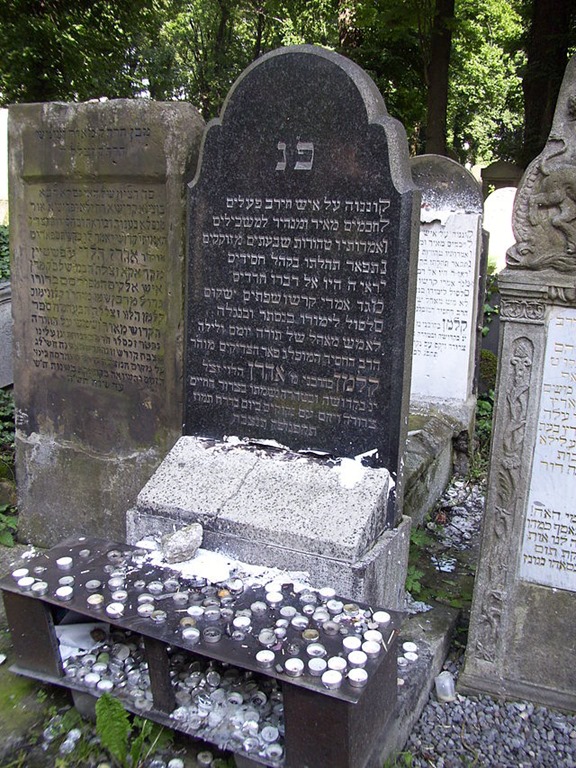
Rabbi Klonimus Kalman’s grave
This week’s Torah portion, kedoshim (Leviticus Ch. 19-20), opens up with a bang. The text says:
וַיְדַבֵּר יְהוָה אֶל מֹשֶׁה לֵּאמֹר: דַּבֵּר אֶל כָּל עֲדַת בְּנֵי יִשְׂרָאֵל וְאָמַרְתָּ אֲלֵהֶם קְדֹשִׁים תִּהְיוּ כִּי קָדוֹשׁ אֲנִי יְהוָה אֱלֹהֵיכֶם:Y-H-V-H spoke to Moses, saying: Speak to the whole Israelite community, and say to them: You shall be holy, for I, Y-H-V-H your God, am Holy. (Leviticus 19:1-2)
The Hebrew word kadosh (קדוש), meaning holy, means different, other, set apart. As such, it is an attribute of God, as the one who is completely set apart from creation, the transcendental reality. (more…)
On the Weekly Torah Portion of Acharey Mot
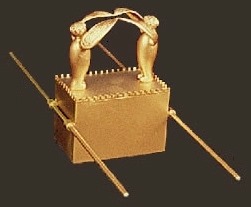
The Ark of the Covenant
As practically all of the book of Leviticus, this week’s Torah portion, acharey mot (Leviticus Ch. 16-18), lists numerous rules regarding how Aharon, the chief priest, is to conduct himself while he is in the Tent of the Meeting (another name for the Tabernacle).
For the Hassidic rabbis, these are just codes for how one should conduct oneself during prayer. The “Tent of the Meeting” is not a physical place for them; it is the deeper realms of one’s consciousness. Entering the Tent of the Meeting (ohel mo’ed) is entering that place within oneself, where one meets one’s Maker.
On the Weekly Torah Portion of Metzora
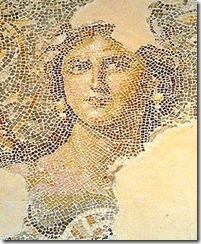
Ancient mosaic from Lower Galilee
On the face of it, the weekly Torah portion of metzora (Leviticus Ch. 14 & 15) deals with the role of the priests in purifying physical impurities of all kinds, especially skin impurities and diseases (metzora means “lepper”). But the real message of this portion is best told with the help of a story from the midrash (the allegorical commentaries on the Torah).
The midrash* tells that a peddler was going around the lower Galilee region of ancient Israel, calling out for people to buy his elixir of life. Wherever he went, he attracted attention. Rabbi Yanai, one of the most prominent figures of the time (3rd century C.E), was studying Torah in his luxurious living room when he was distracted by the commotion caused by the man.
On the Weekly Torah Portion of Tazria

The grave of the Maharal of Prag
At the beginning of this week’s Torah portion, tazria, we are told this regarding a new baby boy:
וּבַיּוֹם הַשְּׁמִינִי יִמּוֹל בְּשַׂר עָרְלָתוֹ:On the eighth day, the flesh of his foreskin shall be circumcised. (Leviticus 12:3)
Is there a significance to this number eight, to doing this on the eighth day? It turns out there is. According to the great 16th century rabbi Yehudah Livai of Prag (the Maharal of Prag), everything that pertains to the supernatural intervention of the divine in the world is associated with the number eight.
On the Weekly Torah Portion of Shemini
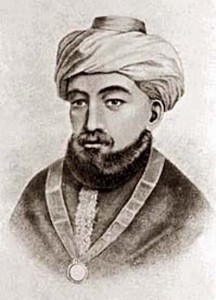
Maimonides
The Torah portion for last week was shemini (Leviticus 9 – 11). For various constraints, I was not able to submit the commentary on the portion before Shabbat, which is what I attempt to do normally; but the commentary on this week’s portion, tazria (Leviticus 12 – 13), will in fact pertain to both portions, as it will concern itself with the symbolism of the number eight (shemini means “eighth”).
However, in the spirit of the Talmudic statement:
לפוטרו בלא כלום אי אפשרOne cannot get away with nothing (Babylonian Talmud, Tractate Chullin, 27b)
I hereby offer a short comment regarding last week’s reading. not, however, with regards to the weekly reading of the Torah, but rather the reading of the haftarah*.