
On the Weekly Torah Portion of Shelach
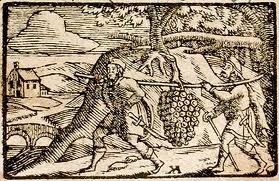
Returning with the Fruit of Canaan
This week’s Torah portion, Shelach (Numbers 13 – 15), describes yet another dramatic, pivotal moment in the sojourn of the people of Israel from Egypt to Canaan.
Soon after the people of Israel leave Sinai on their way East, Moses is instructed to send scouts to tour the land of Canaan:
שְׁלַח לְךָ אֲנָשִׁים וְיָתֻרוּ אֶת אֶרֶץ כְּנַעַן אֲשֶׁר אֲנִי נֹתֵן לִבְנֵי יִשְׂרָאֵל אִישׁ אֶחָד אִישׁ אֶחָד לְמַטֵּה אֲבֹתָיו תִּשְׁלָחוּ כֹּל נָשִׂיא בָהֶם:Send men to scout the land of Canaan, which I am giving to the Israelite people; send one man from each of their ancestral tribes, each one a chieftain among them.” (Numbers 13:2).
On the Weekly Torah Portion of Naso
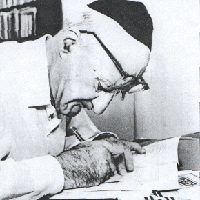
Yeshayahu Leibowitz
The last part of the weekly Torah portion of naso (Numbers 4:21-7:89), which is the longest portion in the Torah, is an elaborate and long description of the inauguration of ohel mo’ed, the “Tent of the Meeting” (the tabernacle)—the “place” where Moses “hears” the voice of God and receives the instructions.
Let’s remind ourselves: the first time we hear about the Tabernacle is in the Torah portion of trumah, which opens with God’s instruction to Moses: (more…)
On the Weekly Torah Portion of Bamidbar
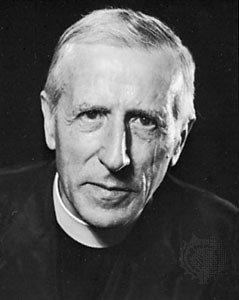
Pierre Teilhard_de_Chardin
This week’s Torah portion, bamidbar (Numbers 1:1-4:20), is the first Torah reading in a book of the same name (referred to in English as Numbers). The word bamidbar (במדבר) means “In the wilderness”.
Wilderness is the backdrop of most of the Torah. It is where all the drama of the people of Israel as a people, as opposed to a family, takes place. And it unfolds in the space of 40 years, after which, supposedly, our forefathers crossed the Jordan river and entered the Promised Land.