
On the Weekly Torah Portion of Bamidbar
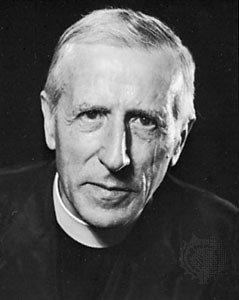
Pierre Teilhard_de_Chardin
This week’s Torah portion, bamidbar (Numbers 1:1-4:20), is the first Torah reading in a book of the same name (referred to in English as Numbers). The word bamidbar (במדבר) means “In the wilderness”.
Wilderness is the backdrop of most of the Torah. It is where all the drama of the people of Israel as a people, as opposed to a family, takes place. And it unfolds in the space of 40 years, after which, supposedly, our forefathers crossed the Jordan river and entered the Promised Land.
On the Weekly Torah Portion of Shemot
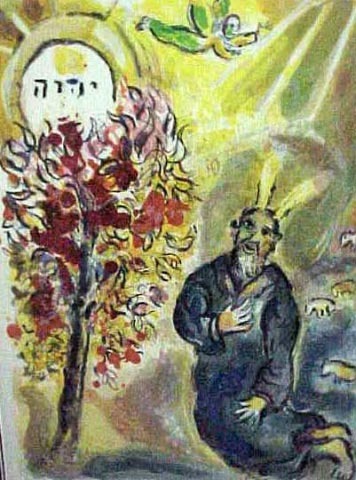 We are in the week of the Torah portion of shemot (Exodus 1:1 – 6:1), the first portion in the book of Exodus, which is the second of the five “books of Moses”, The Pentateuch.
Up to now, in the book of Genesis, the first book of the Pentateuch, the history of the Jewish people is told through the story of one family. And indeed, the first few verses in Exodus remind us that Jacob came to Egypt with his extended family of seventy strong. But the Torah almost immediately fast forwards a few hundred years, by which time the people of Israel have become so many that the new Pharaoh is afraid of them and proceeds to enslave them as a precaution.
On the Weekly Torah Portion of Lekh Lekha
Throughout life one asks the same question in many forms. This question lies at the heart of a search for oneself, a search that begins with the first glimmer of consciousness and continues to the very last breath. For every human being it varies, and at every state of his life…. One never really extricates oneself from the context of the issue, Who am I?… Virtually all of the investigation a person ever does, whether of himself or of problems outside himself, consists for the most part of pyramids upon pyramids of answers to that basic question about the essence of his being.(Rabbi Adin Steinsaltz, The Thirteen Petalled Rose)
 This week’s Torah portion, lekh lakha (Genesis 12:1 – 17:27), is the first portion that addresses the Jewish story. Previous portions, bereshit and noach, dealt with humanity as a whole; from this point on, however, the Torah deals exclusively with the Jewish people. Just as the sprouting of an acorn contains within it the entire oak tree in condensed form, and just like the first verse of the Torah is said to include the entire Torah in it, so one may expect that the opening words of this parashah express Judaism in condensed form.
Here is the first pasuk, the first verse:
לֶךְ לְךָ מֵאַרְצְךָ וּמִמּוֹלַדְתְּךָ וּמִבֵּית אָבִיךָ אֶל הָאָרֶץ אֲשֶׁר אַרְאֶךָּ.Go from your country and your birthplace
and your father’s house
to the land that I will show you.
(Genesis 12:1)