
On the Weekly Torah Portion of Naso
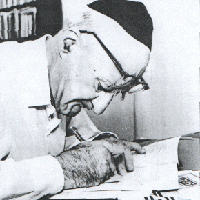
Yeshayahu Leibowitz
The last part of the weekly Torah portion of naso (Numbers 4:21-7:89), which is the longest portion in the Torah, is an elaborate and long description of the inauguration of ohel mo’ed, the “Tent of the Meeting” (the tabernacle)—the “place” where Moses “hears” the voice of God and receives the instructions.
Let’s remind ourselves: the first time we hear about the Tabernacle is in the Torah portion of trumah, which opens with God’s instruction to Moses: (more…)
On the Weekly Torah Portion of Vayikra
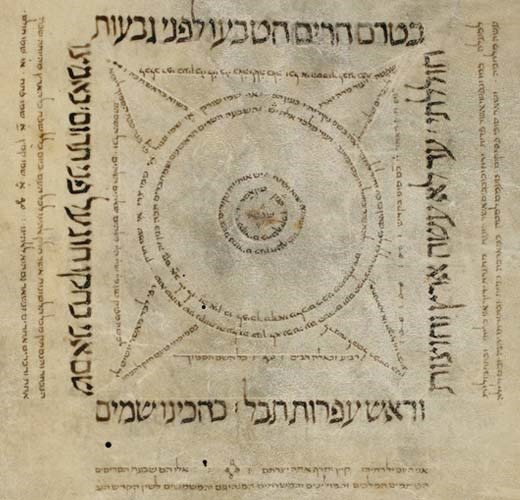 This week’s weekly Torah portion is vayikra (Leviticus 1 – 4). It is the first portion in the third book of the Torah, Leviticus (which in Hebrew is also called vayikra). The portion opens with Y-H-V-H calling out to Moses and instructing him about the ways of worship:
וַיִּקְרָא אֶל מֹשֶׁה וַיְדַבֵּר יְהוָה אֵלָיו מֵאֹהֶל מוֹעֵד לֵאמֹר:He called to Moses; Y-H-V-H spoke to him from the Tent of Meeting. (Lev. 1:1)
On the Weekly Torah Portion of Mishpatim
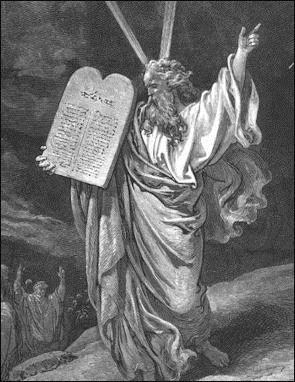 This week’s Torah portion, mishpatim (Exodus 21:1-24:18), is devoted almost exclusively to laws from God to the people of Israel. Only the last part of this portion deals briefly with the invitation to Moses, along with Aaron and Aaron’s sons as well as 70 of the elders of the People of Israel, to ascend to Mount Sinai. In the last verse of this Torah portion we are told that Moses alone went up all the way:
וַיָּבֹא מֹשֶׁה בְּתוֹךְ הֶעָנָן, וַיַּעַל אֶל-הָהָר; וַיְהִי מֹשֶׁה, בָּהָר, אַרְבָּעִים יוֹם, וְאַרְבָּעִים לָיְלָה.Moses entered the cloud, and went up on the mountain. Moses was on the mountain for forty days and forty nights. (Exodus 24:18)
On the Weekly Torah Portion of Yitro
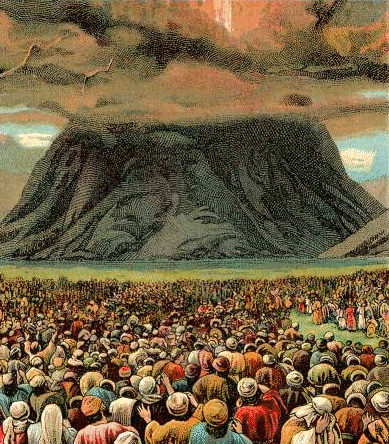 This week’s Torah portion, yitro (Exodus 18:1-20:23), tells the story of the revelation of the Torah to the people of Israel on Mount Sinai. It is said that this was a collective revelation, witnessed by more than half a million people.
Famously, Moses goes up the mountain and returns with the Torah inscribed in stone. Ancient lore has it that he received not only the written Torah (torah shebikhtav), but also the oral Torah (torah she’be’alpe), a tradition of interpretation of the written text which was initially passed on orally. (more…)