
On the Weekly Torah Portion Bo
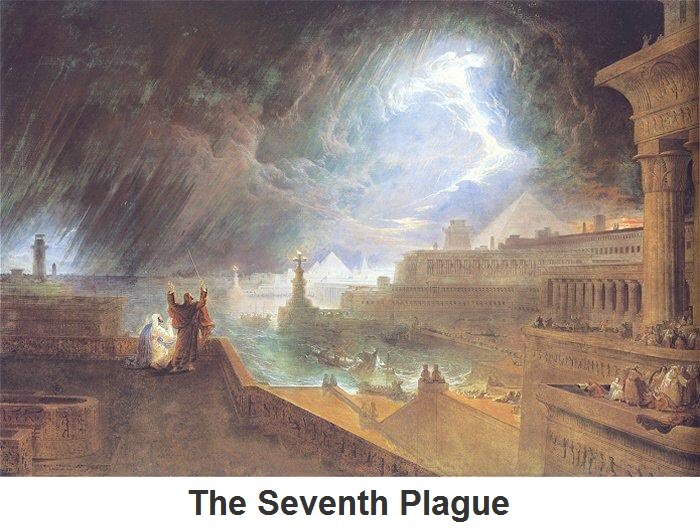 If the Torah was a movie, then this week’s Torah portion, bo (Exodus 10:1 – 13:16), would have to be accompanied by the most dramatic musical score. The theme that started in the previous Torah portions–the negotiations between Pharaoh and Moses, the repeated refusal of Pharaoh to accept Moses’ demands and the escalating drama of the plagues that are brought on Egypt as a result of Pharaoh’s obstinance–reaches a climax with the tenth plague: the death of every Egyptian first born.
At the onset of the negotiations, Pharaoh was arrogant and unyielding:
מִי יְהוָה אֲשֶׁר אֶשְׁמַע בְּקֹלוֹ, לְשַׁלַּח אֶת-יִשְׂרָאֵל: לֹא יָדַעְתִּי אֶת-יְהוָה, וְגַם אֶת-יִשְׂרָאֵל לֹא אֲשַׁלֵּח.Who is YHVH, that I should heed him and let Israel go? I do not know YHVH, and I will not let Israel go. (Exodus 5:2)
But after the tenth plague hits, his tune becomes much humbler and he agrees to all their conditions:
וַיִּקְרָא לְמֹשֶׁה וּלְאַהֲרֹן לַיְלָה, וַיֹּאמֶר קוּמוּ צְּאוּ מִתּוֹךְ עַמִּי–גַּם-אַתֶּם, גַּם-בְּנֵי יִשְׂרָאֵל; וּלְכוּ עִבְדוּ אֶת-יְהוָה, כְּדַבֶּרְכֶם. גַּם-צֹאנְכֶם גַּם-בְּקַרְכֶם קְחוּ כַּאֲשֶׁר דִּבַּרְתֶּם, וָלֵכוּ; וּבֵרַכְתֶּם, גַּם-אֹתִי.Then he summoned Moses and Aaron in the night, and said, ‘Rise up, go away from my people, both you and the Israelites! Go, worship YHVH, as you said. Take your flocks and your herds, as you said, and be gone. And bring a blessing on me too!’ (Exodus 12:31-32)

Sarah Jackson
As usual, one can understand these events literally, or one could take them as metaphors for spiritual processes that occur within the psyche on the path to transformation and liberation. The latter approach is reflected in the following dialogue between me and Sarah Jackson, a Jungian psychoanalyst.
SJ: Reading this text reminded me of the teaching of a Jungian analyst by the name of Donald Kalsched, author of The Inner World of Trauma. Kalsched describes how traumatic events, especially those occurring during childhood, impact the psyche. When the wide-open, innocent and trusting being of the young child experiences a trauma, a kind of inner figure comes into being in the child’s unconscious to protect the child’s vulnerable true self.
Kalsched describes how this inner figure takes over and puts the true self into a kind of exile in order to keep it safe. Once it has taken the reins– and all of this occurs in the unconscious levels of the psyche–the protector gradually turns into a persecutor.
IHM: Could we say, then, that Moses stands for the true self, and Pharaoh for the inner figure? At first Pharaoh is the savior: his daughter rescues baby Moses from the Nile and raises him as a prince. But later Pharaoh becomes an oppressor who does not allow the true self to come into his own. Moses escapes Pharaoh’s wrath, going into exile in the desert.
SJ: Right. And you can also see it on the collective level. At first the Israelites, Jacob’s family, come down to Egypt to save themselves from famine, to find protection in Egypt. Later, however, Egypt becomes their house of bondage.
IHM: The trouble with exile is that after a while, it becomes a habit. It’s troublesome, but not enough to want to change. Moses gets used to his life as a shepherd of Jethro’s flocks, and is resistant when God sends him on his mission. Likewise, the text tells us that the people of Israel are too busy with their work and with the task of survival to listen to Moses.
SJ: The psychological parallel is that we get used to the criticisms, judgments and pronouncements which are issued regularly by our “inner persecutors”. We become inured to a state of repression fueled by self doubt and self criticism.
IHM: So what are we to make of the fact that God hardens Pharaoh’s heart, not once but over and over again? And even after consenting to Moses’ and Aaron’s appeals in response to a plague, he goes back on his word as soon as the plague is removed. Only when it gets really, really bad, does he relent.
SJ: The plagues are similar to the troubles and tribulations that one undergoes as long as one holds on to the false sense of self as one’s identity. Often, in the process of analysis, these troubles intensify, and the patient becomes aware of how he or she is ruled by this inner “persecutor.” Often, the patient is only willing to let go of these structures when the going gets really tough. One finally becomes aware of the degree to which one was ruled by something which is a construct that was useful in the past but is an impediment now.
IHM: There is a parallel in the spiritual field as well. It is known, for example, that some people have had deep spiritual experiences while being imprisoned in Soviet gulags. The explanation given often is that under these very extreme conditions, the Self has to make a choice: to become really evil or completely saintly. The extreme conditions make the choice black-and-white, whereas under “normal” conditions there are many shades of gray.
SJ: There are also cases of people who were only willing to let go of their limiting structures, of their “inner oppressor”, when the suffering they were undergoing was too intense to bear. Eckhart Tole and Byron Katy are two well-known examples.
IHM: Whenever we experiences suffering, we want to know ‘why’. We never want to know why we experience happiness; we take that for granted. So the question is: is there a purpose for all this suffering?
SJ: Jungian and archetypal psychologists understand this as deepening what is presented. We often have to deepen what the Self, or God, presents us with in order for a transformation to finally take place.
* * *
The bo Torah portion is the one in which the Passover holiday, the first of the Jewish holidays, is defined, as a way of commemorating the events of the exodus and making them a foundation of Jewish life. This portion also makes Passover the foundation stone of Jewish education, i.e., of passing on the legacy of liberation from bondage to future generations.
The adults are instructed to tell the younger generation why the holiday is celebrated.
וְהִגַּדְתָּ לְבִנְךָ, בַּיּוֹם הַהוּא לֵאמֹר: בַּעֲבוּר זֶה, עָשָׂה יְהוָה לִי, בְּצֵאתִי, מִמִּצְרָיִם.You shall tell your child on that day, ‘because of this, the Lord did for me when I came out of Egypt.’ (Exodus 13:8)
The phrase”because of this” are a translation of the Hebrew words ba’avur ze (בַּעֲבוּר זֶה), which is an obscure expression. The word ba’avur means both “because of” and “for the sake of”; and the word ze, which means “this”, could be understood in any number of ways.
Professor Yeshayahu Leibowitz, in his book Seven Years of Discourses on the Weekly Torah Reading, gives an overview of the various commentaries given to this verse by the most renowned biblical commentators throughout the ages. A kabbalistic commentary, which he grudgingly includes, is one which I find most fascinating: where the word ze (i.e., “this”) refers to God. This is based on an expression, found in the next Torah portion, ze eli ve’ahvehu, (זֶה אֵלִי וְאַנְוֵהוּ) “this is my God, and I will praise him” (Exodus 15:2). According to this interpretation, ba’avur ze means “for the sake of God.”
In other words, the liberation of the people of Israel from bondage in Egypt was done for the sake of God! This reflects a kabbalistic/Hassidic notion that human life has a significance far beyond the human sphere, and that our actions and liberation are essential for the divine project to be accomplished. God needs us, but he needs us liberated and attuned to him. it is through our action that God can become complete and his “purpose” fulfilled.
Copyright © 2014 Igal Harmelin-Moria
(Copyright does not pertain to illustrations)