
On the Weekly Torah Portion of Naso
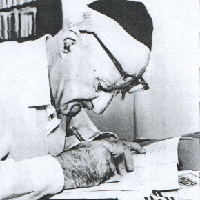
Yeshayahu Leibowitz
The last part of the weekly Torah portion of naso (Numbers 4:21-7:89), which is the longest portion in the Torah, is an elaborate and long description of the inauguration of ohel mo’ed, the “Tent of the Meeting” (the tabernacle)—the “place” where Moses “hears” the voice of God and receives the instructions.
Let’s remind ourselves: the first time we hear about the Tabernacle is in the Torah portion of trumah, which opens with God’s instruction to Moses: (more…)
On the Weekly Torah Portion of Acharey Mot
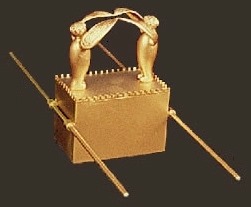
The Ark of the Covenant
As practically all of the book of Leviticus, this week’s Torah portion, acharey mot (Leviticus Ch. 16-18), lists numerous rules regarding how Aharon, the chief priest, is to conduct himself while he is in the Tent of the Meeting (another name for the Tabernacle).
For the Hassidic rabbis, these are just codes for how one should conduct oneself during prayer. The “Tent of the Meeting” is not a physical place for them; it is the deeper realms of one’s consciousness. Entering the Tent of the Meeting (ohel mo’ed) is entering that place within oneself, where one meets one’s Maker.
On the Weekly Torah Portion of Metzora
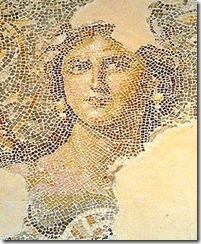
Ancient mosaic from Lower Galilee
On the face of it, the weekly Torah portion of metzora (Leviticus Ch. 14 & 15) deals with the role of the priests in purifying physical impurities of all kinds, especially skin impurities and diseases (metzora means “lepper”). But the real message of this portion is best told with the help of a story from the midrash (the allegorical commentaries on the Torah).
The midrash* tells that a peddler was going around the lower Galilee region of ancient Israel, calling out for people to buy his elixir of life. Wherever he went, he attracted attention. Rabbi Yanai, one of the most prominent figures of the time (3rd century C.E), was studying Torah in his luxurious living room when he was distracted by the commotion caused by the man.
On the Weekly Torah Portion of Tazria

The grave of the Maharal of Prag
At the beginning of this week’s Torah portion, tazria, we are told this regarding a new baby boy:
וּבַיּוֹם הַשְּׁמִינִי יִמּוֹל בְּשַׂר עָרְלָתוֹ:On the eighth day, the flesh of his foreskin shall be circumcised. (Leviticus 12:3)
Is there a significance to this number eight, to doing this on the eighth day? It turns out there is. According to the great 16th century rabbi Yehudah Livai of Prag (the Maharal of Prag), everything that pertains to the supernatural intervention of the divine in the world is associated with the number eight.
On the Weekly Torah Portion of Vayikra
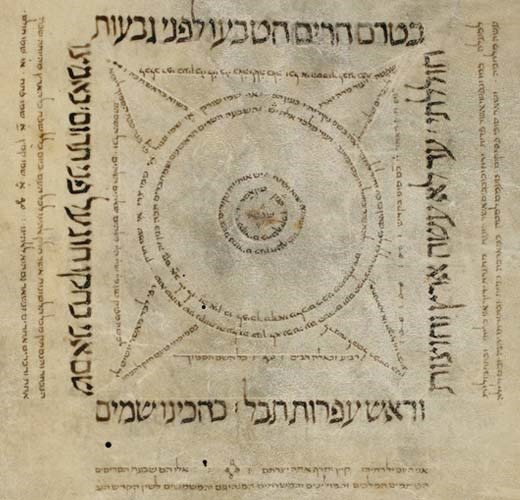 This week’s weekly Torah portion is vayikra (Leviticus 1 – 4). It is the first portion in the third book of the Torah, Leviticus (which in Hebrew is also called vayikra). The portion opens with Y-H-V-H calling out to Moses and instructing him about the ways of worship:
וַיִּקְרָא אֶל מֹשֶׁה וַיְדַבֵּר יְהוָה אֵלָיו מֵאֹהֶל מוֹעֵד לֵאמֹר:He called to Moses; Y-H-V-H spoke to him from the Tent of Meeting. (Lev. 1:1)
On the Weekly Torah Portion of Pikudei
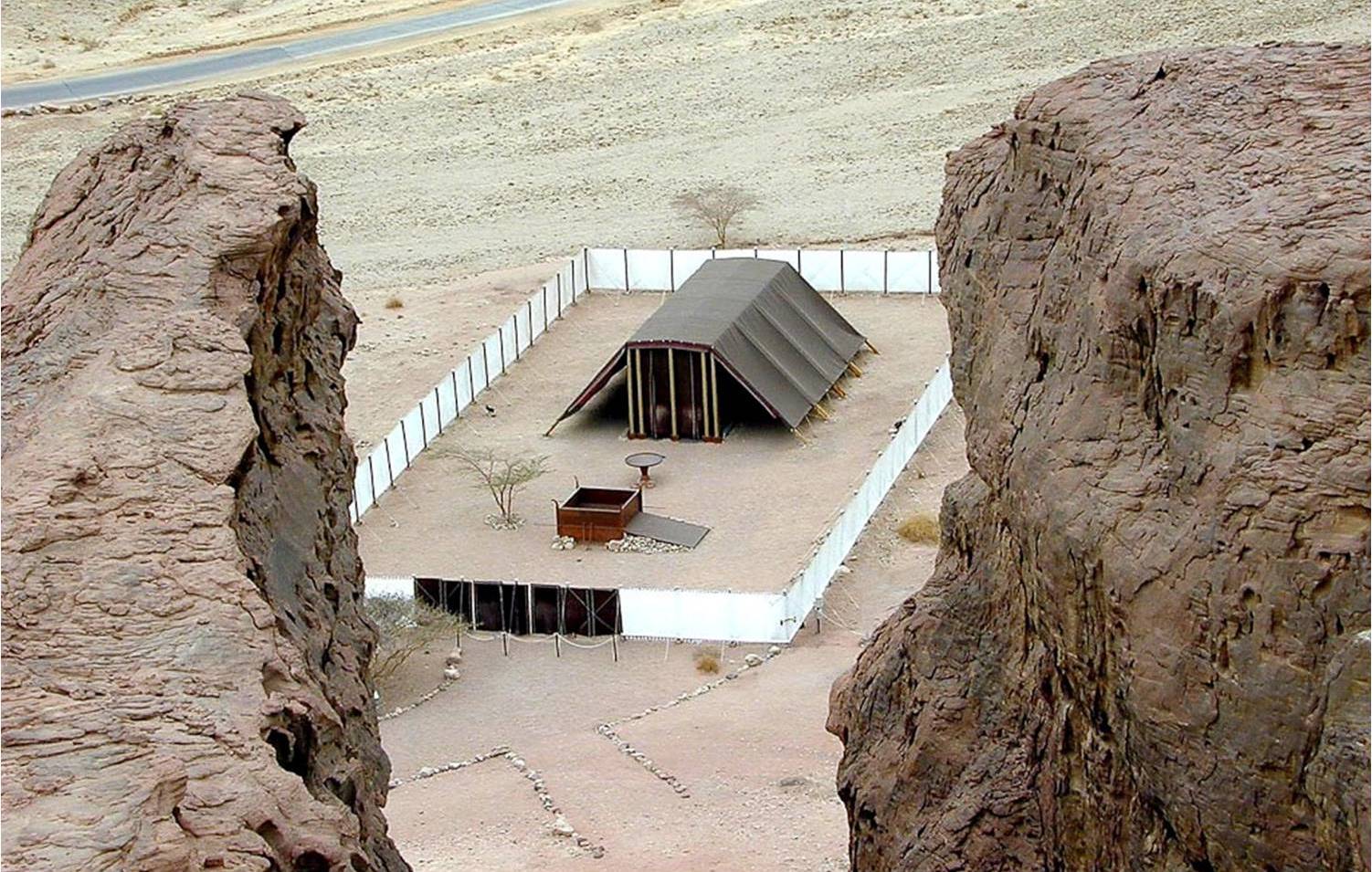 In this week’s Torah portion, pikudey (Exodus 38:21 – 40:38), the construction of the mishkan, the tabernacle, comes to completion.
Towards the end of this portion, after describing the completion of the work, we are told:
וַיְכַס הֶעָנָן אֶת אֹהֶל מוֹעֵד וּכְבוֹד יְהוָה מָלֵא אֶת הַמִּשְׁכָּן: וְלֹא יָכֹל מֹשֶׁה לָבוֹא אֶל אֹהֶל מוֹעֵד כִּי שָׁכַן עָלָיו הֶעָנָן וּכְבוֹד יְהוָה מָלֵא אֶת הַמִּשְׁכָּן:Then the cloud covered the tent of meeting, and the glory of Y-H-V-H filled the tabernacle. Moses was not able to enter the tent of meeting because the cloud settled upon it, and the glory of Y-H-V-H filled the tabernacle. (Exodus 40:34-35)
But in previous portions we were told that the construction of the tabernacle was not so that God could be dwell in it, but rather in them, i.e. the Israelites. How is it that here we are told that God’s presence fills the tabernacle itself? This is also peculiar given the statement of Solomon, the builder of the first temple:
On The Weekly Torah Portion of Vayakhel
 What is the origin of the miraculous phenomenon of human creativity? How is it that we are the only creatures on the planet capable of performing such enormous creative (the destructive) acts, of the kind that were once attributed to God alone? This is one of the subjects that this week’s Torah portion, vayakhel (Exodus 35:1 – 38:20), touches upon, in the context of the construction of the mishkan, the tabernacle that has been the subject of the last few weekly portions.
As mentioned earlier, ancient lore considered the tabernacle to be a mirror of the structure of the human psyche as well as the structure of the universe. The art of creating the tabernacle, then, is a mirror of, or a commentary on, the primordial act of creation spoken of in Genesis, on one hand, and the nature of human creativity on the other.
On the Weekly Torah Portion of Ki Tisa
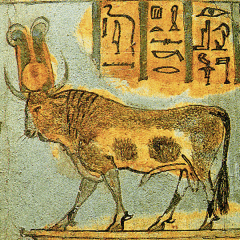 The Torah portion of this week, ki tisa, (Exodus 30:11 – 34:35) continues with the theme of the construction of the Tabernacle. But it also contains one of the most potent stories of the book of Exodus: the story of the golden calf.
In a nutshell: after the people of Israel received, collectively, a revelation of God’s voice, including the Ten Commandments, they signed on the dotted line by famously declaring na’aseh ve-nishma’ (נעשה ונשמע) “We will do and listen” (Exodus 24:7). The midrash takes these words to signify their complete trust, since the word na’aseh, “we will do”, preceded the word nishma’, “we will listen”: they committed themselves to obey the Torah even before they heard it fully. (more…)
On The Weekly Torah Portion Tetsaveh
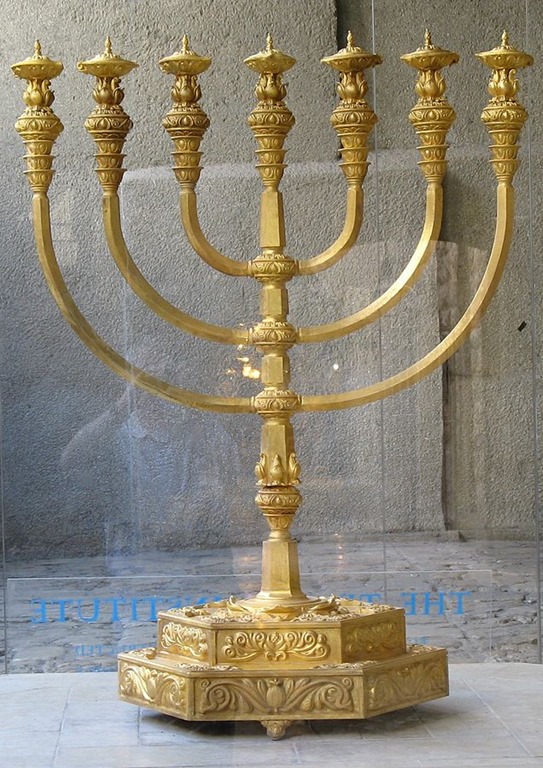 This week’s weekly Torah portion, tetsaveh (Exodus 27:20 – 20:10), continues the theme of the construction of the mishkan (משכן), the Tabernacle, God’s “dwelling place”.
In last week’s parashah (weekly Torah portion), terumah, we learnt that the Tabernacle may not be a physical structure at all, but a structure in consciousness. The text says:
וְעָשׂוּ לִי מִקְדָּשׁ וְשָׁכַנְתִּי בְּתוֹכָם:And they shall make me a sanctuary, and I will dwell within them. (Exodus 25:8)
This idea is echoed in this week’s parashah. At the end of very long and detailed instructions regarding the clothing of the high priest, the ornaments of the menorah, specific of offerings and other matters, the text states: (more…)
On the Weekly Torah Portion of Terumah
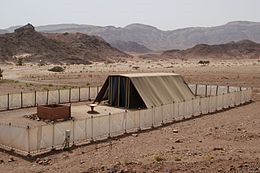 This week’s Torah portion, terumah (Exodus 25:1-27:19), deals with the construction of the tabernacle, the mishkan (משכן), in the desert. The instructions for the construction of the tabernacle are so specific and so minute, that models of the tabernacle can be built with great accuracy (the picture on the left is from such a model built in the south of Israel).
A few verses into the portion, the Torah specifies the effect of building the mishkan:
וְעָשׂוּ לִי מִקְדָּשׁ וְשָׁכַנְתִּי בְּתוֹכָם:And they shall make me a sanctuary, and I will dwell among them. (Exodus 25:8)
The verse seems to suggest, that the tabernacle, the mishkan, will enable God to dwell (lishkon) among the people of Israel. But that is absurd: God confined to a tent? And does that mean that before the construction, God is not able to dwell among them?