
On the Weekly Torah Portion of Bamidbar
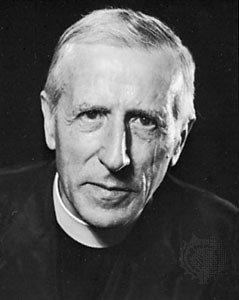
Pierre Teilhard_de_Chardin
This week’s Torah portion, bamidbar (Numbers 1:1-4:20), is the first Torah reading in a book of the same name (referred to in English as Numbers). The word bamidbar (במדבר) means “In the wilderness”.
Wilderness is the backdrop of most of the Torah. It is where all the drama of the people of Israel as a people, as opposed to a family, takes place. And it unfolds in the space of 40 years, after which, supposedly, our forefathers crossed the Jordan river and entered the Promised Land.
On The Weekly Torah Portion of Va-yechi
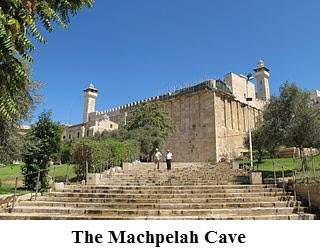 This week’s Torah portion, va-yechi (Genesis 47:28 – 50:26), is the concluding parashah of the book of Genesis, and the bulk of it deals with the passing of Jacob and his blessings to his sons and two of his grandsons. Jacob leaves his sons specific instructions with regard to where his body should be buried: in the Machpelah cave, the burial ground purchased by Abraham where Abraham, Sarah, Isaac, Rebecca, and Leah are all buried. Joseph takes a temporary leave from Pharaoh and travels to Hebron with all his brothers to bury their father according to his last wishes.
The Midrash, the allegorical level of interpretation of the Torah, adds some revealing details about Joseph’s action in his short visit to the land of his birth. According to Midrash Tanhuma, at the conclusion of the burial ceremonies, Joseph goes to Shekhem to visit the pit into which he was thrown by his brothers before they sold him as a slave to the Ishmaelite merchants.
On the Weekly Torah Portion of Lekh Lekha
Throughout life one asks the same question in many forms. This question lies at the heart of a search for oneself, a search that begins with the first glimmer of consciousness and continues to the very last breath. For every human being it varies, and at every state of his life…. One never really extricates oneself from the context of the issue, Who am I?… Virtually all of the investigation a person ever does, whether of himself or of problems outside himself, consists for the most part of pyramids upon pyramids of answers to that basic question about the essence of his being.(Rabbi Adin Steinsaltz, The Thirteen Petalled Rose)
 This week’s Torah portion, lekh lakha (Genesis 12:1 – 17:27), is the first portion that addresses the Jewish story. Previous portions, bereshit and noach, dealt with humanity as a whole; from this point on, however, the Torah deals exclusively with the Jewish people. Just as the sprouting of an acorn contains within it the entire oak tree in condensed form, and just like the first verse of the Torah is said to include the entire Torah in it, so one may expect that the opening words of this parashah express Judaism in condensed form.
Here is the first pasuk, the first verse:
לֶךְ לְךָ מֵאַרְצְךָ וּמִמּוֹלַדְתְּךָ וּמִבֵּית אָבִיךָ אֶל הָאָרֶץ אֲשֶׁר אַרְאֶךָּ.Go from your country and your birthplace
and your father’s house
to the land that I will show you.
(Genesis 12:1)