
On the Weekly Torah Portion of Naso
Yeshayahu Leibowitz
The last part of the weekly Torah portion of naso (Numbers 4:21-7:89), which is the longest portion in the Torah, is an elaborate and long description of the inauguration of ohel mo’ed, the “Tent of the Meeting” (the tabernacle)—the “place” where Moses “hears” the voice of God and receives the instructions.
Let’s remind ourselves: the first time we hear about the Tabernacle is in the Torah portion of trumah, which opens with God’s instruction to Moses: (more…)
On the Weekly Torah Portion of Vayikra
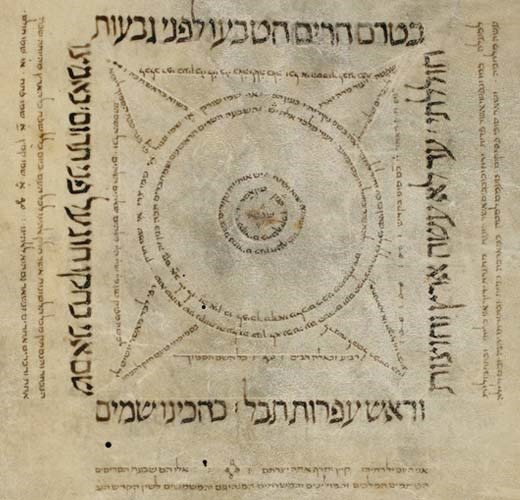 This week’s weekly Torah portion is vayikra (Leviticus 1 – 4). It is the first portion in the third book of the Torah, Leviticus (which in Hebrew is also called vayikra). The portion opens with Y-H-V-H calling out to Moses and instructing him about the ways of worship:
וַיִּקְרָא אֶל מֹשֶׁה וַיְדַבֵּר יְהוָה אֵלָיו מֵאֹהֶל מוֹעֵד לֵאמֹר:He called to Moses; Y-H-V-H spoke to him from the Tent of Meeting. (Lev. 1:1)
On the Weekly Torah Portion of Pikudei
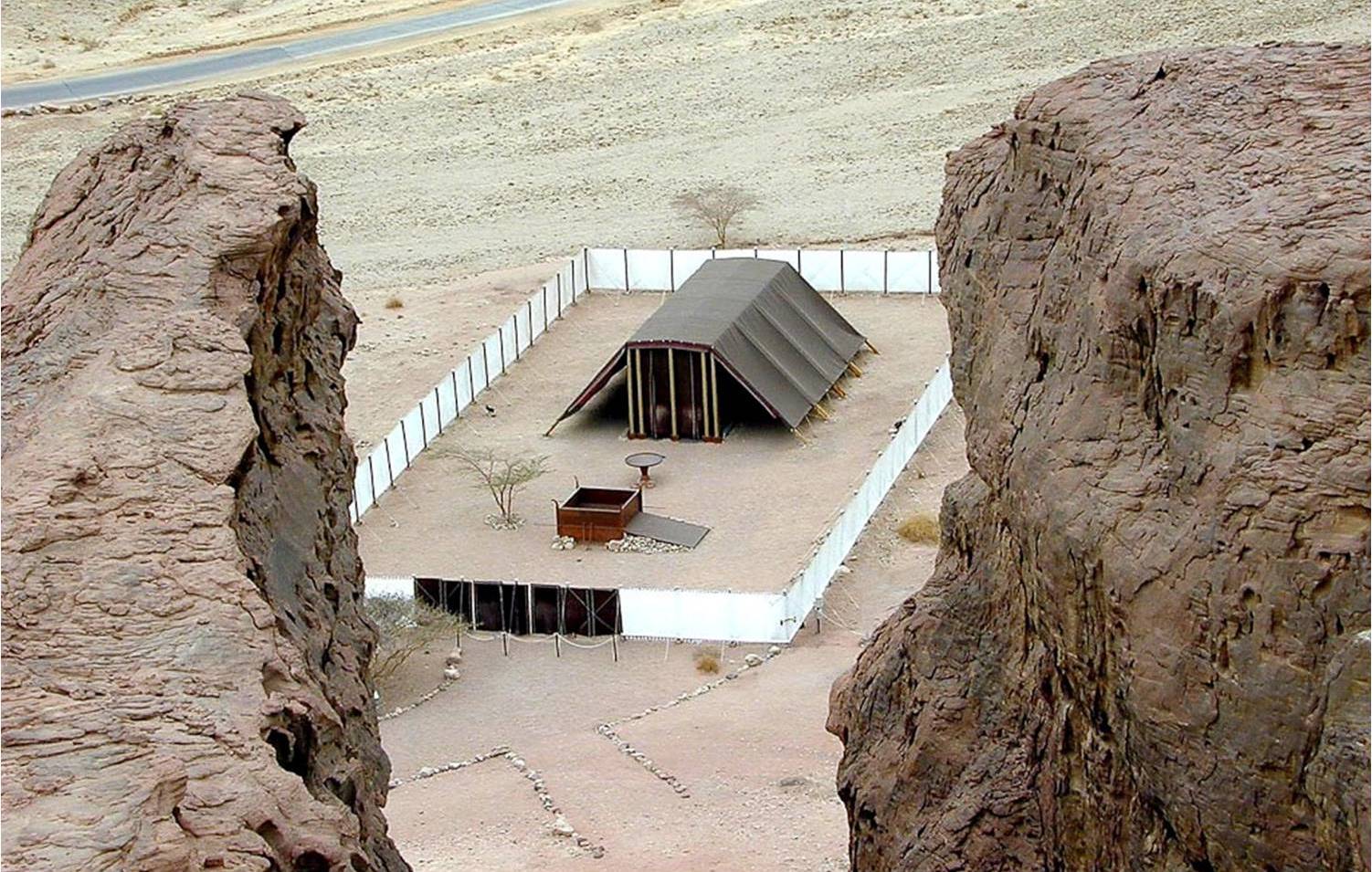 In this week’s Torah portion, pikudey (Exodus 38:21 – 40:38), the construction of the mishkan, the tabernacle, comes to completion.
Towards the end of this portion, after describing the completion of the work, we are told:
וַיְכַס הֶעָנָן אֶת אֹהֶל מוֹעֵד וּכְבוֹד יְהוָה מָלֵא אֶת הַמִּשְׁכָּן: וְלֹא יָכֹל מֹשֶׁה לָבוֹא אֶל אֹהֶל מוֹעֵד כִּי שָׁכַן עָלָיו הֶעָנָן וּכְבוֹד יְהוָה מָלֵא אֶת הַמִּשְׁכָּן:Then the cloud covered the tent of meeting, and the glory of Y-H-V-H filled the tabernacle. Moses was not able to enter the tent of meeting because the cloud settled upon it, and the glory of Y-H-V-H filled the tabernacle. (Exodus 40:34-35)
But in previous portions we were told that the construction of the tabernacle was not so that God could be dwell in it, but rather in them, i.e. the Israelites. How is it that here we are told that God’s presence fills the tabernacle itself? This is also peculiar given the statement of Solomon, the builder of the first temple:
On the Weekly Torah Portion of Terumah
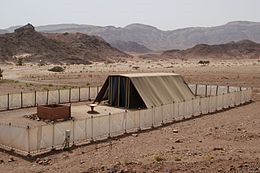 This week’s Torah portion, terumah (Exodus 25:1-27:19), deals with the construction of the tabernacle, the mishkan (משכן), in the desert. The instructions for the construction of the tabernacle are so specific and so minute, that models of the tabernacle can be built with great accuracy (the picture on the left is from such a model built in the south of Israel).
A few verses into the portion, the Torah specifies the effect of building the mishkan:
וְעָשׂוּ לִי מִקְדָּשׁ וְשָׁכַנְתִּי בְּתוֹכָם:And they shall make me a sanctuary, and I will dwell among them. (Exodus 25:8)
The verse seems to suggest, that the tabernacle, the mishkan, will enable God to dwell (lishkon) among the people of Israel. But that is absurd: God confined to a tent? And does that mean that before the construction, God is not able to dwell among them?
On the Weekly Torah Portion of Mishpatim
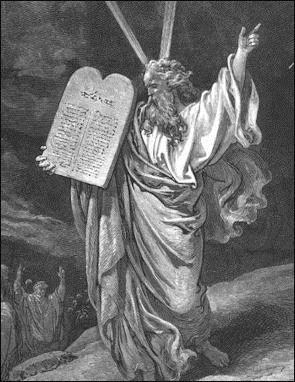 This week’s Torah portion, mishpatim (Exodus 21:1-24:18), is devoted almost exclusively to laws from God to the people of Israel. Only the last part of this portion deals briefly with the invitation to Moses, along with Aaron and Aaron’s sons as well as 70 of the elders of the People of Israel, to ascend to Mount Sinai. In the last verse of this Torah portion we are told that Moses alone went up all the way:
וַיָּבֹא מֹשֶׁה בְּתוֹךְ הֶעָנָן, וַיַּעַל אֶל-הָהָר; וַיְהִי מֹשֶׁה, בָּהָר, אַרְבָּעִים יוֹם, וְאַרְבָּעִים לָיְלָה.Moses entered the cloud, and went up on the mountain. Moses was on the mountain for forty days and forty nights. (Exodus 24:18)
On the Weekly Torah Portion of Va’era
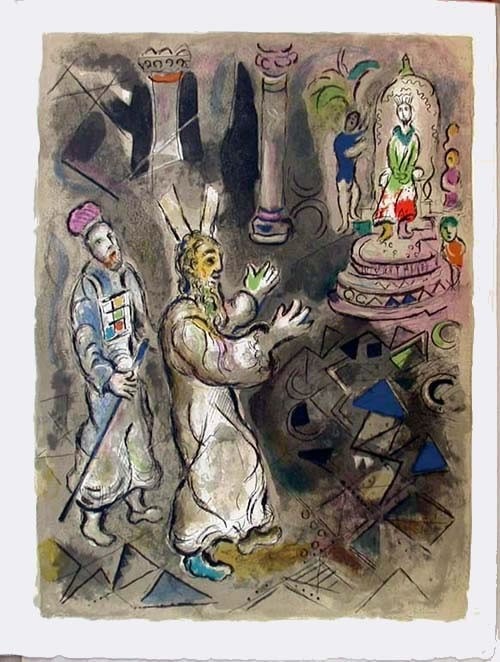 I am late in posting this d’var Torah on the parashah of va’eira (Exodus 6:2 – 9:35) since I spent the last week on a silent retreat with Rabbi David A. Cooper. Rabbi Cooper and his wife, Shoshana, have been offering this retreat for the past 18 years, and this was the last time they will offer it.
During the retreat, however, the Coopers passed the mantle on to two young successors who will continue with this retreat: Dr. Jay Michaelson (who was, on that occasion, ordained as a rabbi by Rabbi Cooper) and Beth Resnick-Folk, to whom Shoshana passed on her mantle as a Sufi teacher (into which Shoshana herself was inducted by her teacher, Asha).
On the Weekly Torah Portion of Shemot
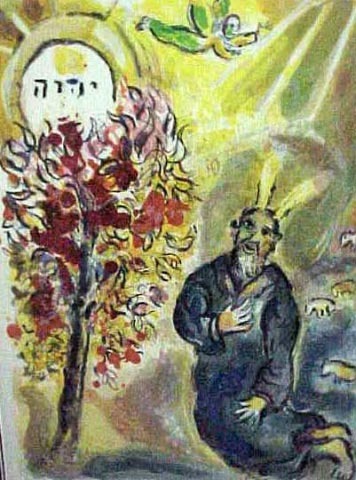 We are in the week of the Torah portion of shemot (Exodus 1:1 – 6:1), the first portion in the book of Exodus, which is the second of the five “books of Moses”, The Pentateuch.
Up to now, in the book of Genesis, the first book of the Pentateuch, the history of the Jewish people is told through the story of one family. And indeed, the first few verses in Exodus remind us that Jacob came to Egypt with his extended family of seventy strong. But the Torah almost immediately fast forwards a few hundred years, by which time the people of Israel have become so many that the new Pharaoh is afraid of them and proceeds to enslave them as a precaution.