
On the Weekly Torah Portion of Beshalach
 This week’s Torah portion, beshalach (Exodus 13:17 – 17:16), starts the narration of the People of Israel’s long sojourn through the desert. It is in this portion that we read about the parting of the Dead Sea as well as about the manna that was sent down from heaven by YHVH.
One story in particular is relevant to the life of a spiritual aspirant in our day an age. We are told that while in the desert, the People of Israel received direct guidance from God:
וַיהוָה הֹלֵךְ לִפְנֵיהֶם יוֹמָם בְּעַמּוּד עָנָן לַנְחֹתָם הַדֶּרֶךְ וְלַיְלָה בְּעַמּוּד אֵשׁ לְהָאִיר לָהֶם לָלֶכֶת יוֹמָם וָלָיְלָה: לֹא יָמִישׁ עַמּוּד הֶעָנָן יוֹמָם וְעַמּוּד הָאֵשׁ לָיְלָה לִפְנֵי הָעָם:YHVH went in front of them in a pillar of cloud by day, to lead them along the way, and in a pillar of fire by night, to give them light, so that they might travel by day and by night. Neither the pillar of cloud by day nor the pillar of fire by night left its place in front of the people. (Exodus 21-22)
On the Weekly Torah Portion Bo
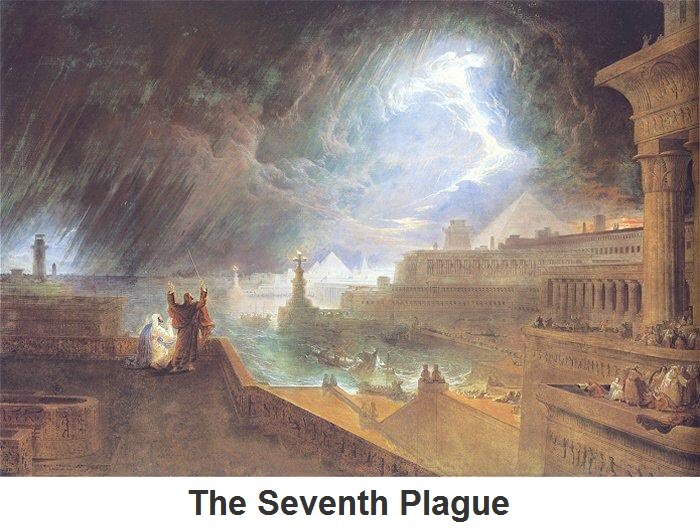 If the Torah was a movie, then this week’s Torah portion, bo (Exodus 10:1 – 13:16), would have to be accompanied by the most dramatic musical score. The theme that started in the previous Torah portions–the negotiations between Pharaoh and Moses, the repeated refusal of Pharaoh to accept Moses’ demands and the escalating drama of the plagues that are brought on Egypt as a result of Pharaoh’s obstinance–reaches a climax with the tenth plague: the death of every Egyptian first born.
On the Weekly Torah Portion of Va’era
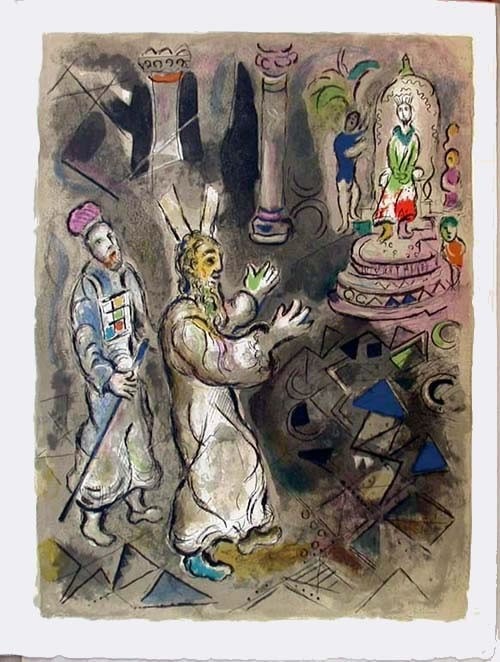 I am late in posting this d’var Torah on the parashah of va’eira (Exodus 6:2 – 9:35) since I spent the last week on a silent retreat with Rabbi David A. Cooper. Rabbi Cooper and his wife, Shoshana, have been offering this retreat for the past 18 years, and this was the last time they will offer it.
During the retreat, however, the Coopers passed the mantle on to two young successors who will continue with this retreat: Dr. Jay Michaelson (who was, on that occasion, ordained as a rabbi by Rabbi Cooper) and Beth Resnick-Folk, to whom Shoshana passed on her mantle as a Sufi teacher (into which Shoshana herself was inducted by her teacher, Asha).
On the Weekly Torah Portion of Shemot
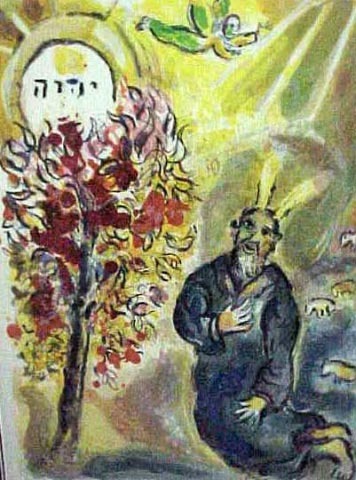 We are in the week of the Torah portion of shemot (Exodus 1:1 – 6:1), the first portion in the book of Exodus, which is the second of the five “books of Moses”, The Pentateuch.
Up to now, in the book of Genesis, the first book of the Pentateuch, the history of the Jewish people is told through the story of one family. And indeed, the first few verses in Exodus remind us that Jacob came to Egypt with his extended family of seventy strong. But the Torah almost immediately fast forwards a few hundred years, by which time the people of Israel have become so many that the new Pharaoh is afraid of them and proceeds to enslave them as a precaution.
On The Weekly Torah Portion of Va-yechi
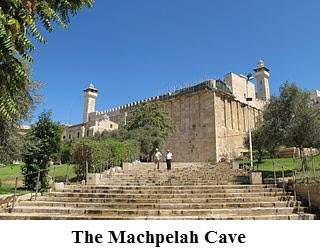 This week’s Torah portion, va-yechi (Genesis 47:28 – 50:26), is the concluding parashah of the book of Genesis, and the bulk of it deals with the passing of Jacob and his blessings to his sons and two of his grandsons. Jacob leaves his sons specific instructions with regard to where his body should be buried: in the Machpelah cave, the burial ground purchased by Abraham where Abraham, Sarah, Isaac, Rebecca, and Leah are all buried. Joseph takes a temporary leave from Pharaoh and travels to Hebron with all his brothers to bury their father according to his last wishes.
The Midrash, the allegorical level of interpretation of the Torah, adds some revealing details about Joseph’s action in his short visit to the land of his birth. According to Midrash Tanhuma, at the conclusion of the burial ceremonies, Joseph goes to Shekhem to visit the pit into which he was thrown by his brothers before they sold him as a slave to the Ishmaelite merchants.
On the Weekly Torah Portion of Vayigash
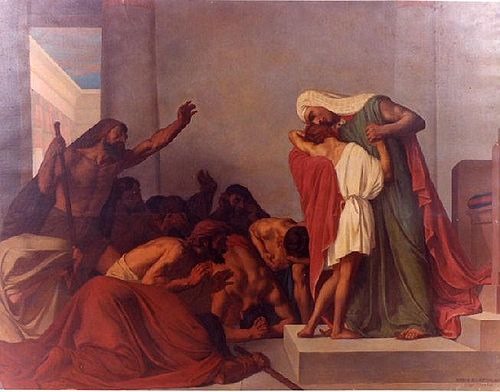 This week’s Torah portion, vayigash (Genesis 44:18 – 47:27) is the third parashah devoted to the story of Joseph, Jacob’s favorite son. At this stage of the story, Joseph serves as Pharaoh’s viceroy and is the de-facto ruler of Egypt.
In last week’s Torah portion, Joseph’s brothers, who had previously sold him to slavery and were not yet aware of his rise to power, came to Egypt to collect grain to save themselves from the great famine that took over the region. They were sent to Egypt by their father, Jacob, who kept the youngest of his sons, Benjamin, with him at Canaan. Still traumatized by the loss of Joseph, whom he thought for dead, Jacob did not want to risk the life of Benjamin.
On the Weekly Torah Portion of Miketz (Hanukkah Week)
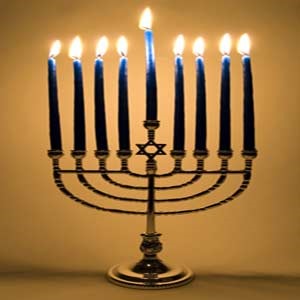 The Shabbat of the weekly Torah portion of miketz (Genesis 41:1 – 44:17) always coincides with Hanukkah, and this year it also coincides with the holiday of Thanksgiving, which is very rare. And yet the two holidays share a common spirit.
Giving thanks is fundamental to Judaism. In fact, it is built into its name. The Hebrew word for “Jew” is “yehudi” (יהודי), which means “belonging to the tribe of Judah, or “yehudah” (יהודה). The name literally means “I thank Yah (God)”. Leah, Jacob’s wife, chose this name for her fourth son in gratitude to God for his birth. Therefore, beyond the myriad of do’s and don’ts and the great tradition of learning, the essence of Jewish life—in fact the essence of Jewish identity—is gratitude towards God. It is what gives us our name and what defines our path and our goal. We are yehudim, a nation of thanks-givers to the Almighty.
On the Weekly Torah Portion of Vayeshev

The parashah (weekly Torah portion) of vayeshev (Genesis 37:1 to 40:23) starts the dramatic story of Joseph, Jacob’s beloved son, whose betrayal by his brothers initiates a chain of events that ended with his becoming Pharaoh’s viceroy and saving his family from hunger.
The Torah tells us that Israel (i.e., Jacob—see the commentary on last week’s parashah) “loved Joseph more than any other of his children because he was the son… [born to him in] his old age” (Genesis 37:3). Jacob also gave Joseph a fancy robe which symbolized the degree to which he favored him. Naturally, this made his brothers jealous. To make things worse, Joseph was in the habit of sharing with them his dreams, in which he appeared to be superior to them and was ruling over them.
On the Weekly Torah Portion of Vayishlach

This week’s parashah (weekly Torah portion) of vayishlach (Genesis 32:4 – 36:43) deals with many topics, one of which is the reconciliation between the two brothers, Jacob and Esau.
וְהוּא עָבַר לִפְנֵיהֶם וַיִּשְׁתַּחוּ אַרְצָה שֶׁבַע פְּעָמִים עַד גִּשְׁתּוֹ עַד אָחִיו: וַיָּרָץ עֵשָׂו לִקְרָאתוֹ וַיְחַבְּקֵהוּ וַיִּפֹּל עַל צַוָּארָו וַיִּשָּׁקֵהוּ וַיִּבְכּוּ:He himself went on ahead of them, bowing himself to the ground seven times, until he came near his brother. But Esau ran to meet him, and embraced him, and fell on his neck and kissed him, and they wept. (Genesis 33:3-4)
On the Weekly Torah Portion of Vayetze
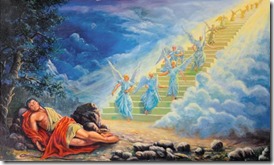 This week’s Torah portion, vayetze, (Genesis 28:10 – 32:3), contains one of the most powerful images in Genesis: the image of Jacob’s famous dream. Much—very much—has been written about the dream itself. But the verses just before and just after the dream contain an important message.
Jacob escapes his parents’ dwelling place in Beer-Sheba in order to avoid the wrath of his brother, whom he had deceived. His journey is long: we are told that he is headed to Haran, a town believed to be in Turkey just off the Syrian border. A long journey, no doubt, yet we only hear about one episode on the way. The text tells us: